
Cave Diving in Palawan
Palawan, located in the western Philippines, is widely recognized for its limestone landscapes, clear coastal waters, and extensive marine biodiversity. Beyond its popular beaches and coral reefs, the province also offers distinctive opportunities for cave diving. The region’s geological formation, shaped over millions of years by tectonic movement and erosion, has resulted in intricate systems of submerged caverns and tunnels. For divers with appropriate training and experience, these underwater environments provide a setting that combines geological exploration with encounters in diverse aquatic ecosystems.
Cave diving in Palawan differs significantly from open-water reef diving. Rather than drifting over coral gardens in sunlight, divers navigate enclosed spaces where direct access to the surface may be limited. These conditions require advanced preparation, careful route planning, and strict adherence to established safety procedures. When approached responsibly and in coordination with certified professionals, cave diving in Palawan represents a specialized branch of diving that highlights both the natural history and ecological richness of the province.
The Geological Character of Palawan’s Underwater Caves
Palawan’s landscape is dominated by karst formations composed primarily of limestone. Over extended geological periods, rainwater and seawater dissolved portions of this rock, forming sinkholes, tunnels, chambers, and subterranean rivers. Many of these formations now connect directly to the sea, creating partially or fully submerged cave systems suitable for exploration.
Inside these caves, divers encounter features such as stalactites, stalagmites, flowstones, and columns formed when water levels were lower. Some chambers contain haloclines, where freshwater and saltwater meet, creating a shifting visual layer underwater. These features provide insight into historical sea levels and climatic changes. The relatively stable internal environment of caves supports species adapted to low light and enclosed conditions, distinguishing cave ecosystems from surrounding coral reefs.
Water visibility in Palawan’s caves can vary depending on rainfall, tidal movement, and diver activity. In less disturbed areas, visibility can be clear, allowing observation of rock formations extending deep into passageways. However, fine sediments may easily be disturbed by fin movement, emphasizing the importance of buoyancy control and proper technique.
Notable Cave Diving Locations
Among the sites associated with cave exploration in Palawan, the Puerto Princesa Subterranean River National Park stands out. The Puerto Princesa Underground River is recognized internationally for its geological significance and biodiversity. While much of the river system is navigated by boat for general tourism, certain sections and nearby submerged areas attract trained divers interested in exploring adjacent underwater passages under regulated conditions.
In addition to the Underground River area, the waters around Linapacan and northern Palawan feature limestone cliffs that extend beneath the surface, forming fissures, swim-throughs, and deeper cavern systems. Some of these sites are more accurately described as caverns—where natural light remains visible—while others extend into darker zones that require specialized cave diving certification. These areas often host marine organisms such as crustaceans, small reef fish, and occasionally rays and other pelagic species passing near cave openings.
El Nido, known for its dramatic limestone islands, also presents opportunities for cavern and swim-through exploration. Although not all locations qualify as full cave systems, several sites allow divers to transit through enclosed rock formations that open into lagoons or deeper offshore waters. These formations serve as introductory environments for divers progressing toward more advanced cave training.
Training and Certification Requirements
Cave diving is considered a technical discipline within recreational diving. Divers intending to enter overhead environments, where direct ascent to the surface is not always possible, must undergo additional education beyond standard open-water certification. Specialized courses cover navigation using guidelines, gas management strategies, emergency problem-solving, and propulsion techniques that reduce sediment disturbance.
Reputable training agencies provide structured programs that progressively develop skills. Initial courses may focus on cavern diving, where participants remain within sight of natural light and exits. Advanced cave courses introduce complex navigation, limited visibility scenarios, and extended penetration dives. In Palawan, responsible operators require proof of appropriate credentials before allowing divers to enter restricted cave systems.
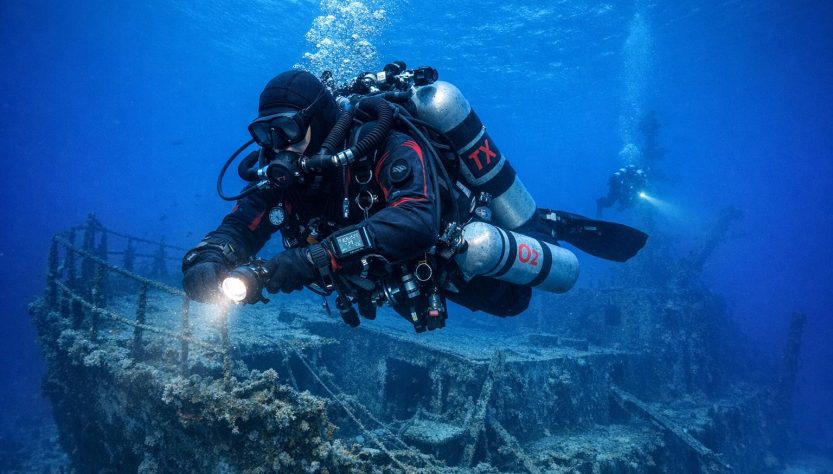
Beyond formal certification, divers must demonstrate competence in buoyancy control, trim, and situational awareness. Equipment configurations often differ from standard recreational setups, incorporating redundant air sources, multiple lights, reels, and guideline markers. These precautions are essential due to the inherent challenges of overhead environments.
Environmental Sensitivity and Conservation
The ecological balance within Palawan’s caves is particularly delicate. Many cave systems support specialized organisms that thrive in stable, low-light environments. Disturbance from careless finning, physical contact with rock surfaces, or improper waste disposal can cause long-term damage. Limestone formations develop over extended timescales and can be permanently altered by minor physical impact.
Philippine authorities, alongside local government units and conservation organizations, have introduced measures aimed at protecting these habitats. Visitor numbers in sensitive zones are regulated, and some caves are entirely closed to diving activities. Permits may be required before entering designated marine parks or protected areas. Divers are expected to comply with briefing instructions, adhere to established routes, and avoid removing any natural material.
Sustainable practices extend beyond the cave interior. Responsible divers minimize single-use plastics, follow anchoring restrictions, and support operators committed to reef-safe procedures. Organizations such as the Puerto Princesa City Government provide guidance on environmental regulations affecting local dive activities. By observing these rules, visitors contribute to maintaining the long-term viability of cave ecosystems.
Seasonal Considerations and Diving Conditions
Palawan experiences two primary seasons: a dry season typically from November to May and a wet season from June to October. Weather conditions influence water visibility, surface access, and boat transportation to remote areas. During the dry season, calmer seas and reduced rainfall generally create more predictable diving conditions. However, high tourist demand during peak months may require advance reservations.
Rainfall during the wet season can affect underwater cave environments by introducing sediment and altering water flow. Increased freshwater runoff may reduce visibility or create stronger currents inside certain systems. Diving operators assess daily conditions before confirming excursions, prioritizing safety when weather patterns shift unexpectedly.
Water temperatures in Palawan usually range between 26°C and 30°C throughout the year. While these temperatures are moderate, extended cave dives may necessitate appropriate thermal protection, particularly for technical divers spending longer periods underwater.
Recommended Diving Operators and Local Expertise
Successful cave diving in Palawan depends heavily on collaboration with experienced local professionals. Several diving centers in Puerto Princesa, El Nido, and Coron provide guided excursions, equipment rental, and training programs. When selecting an operator, divers should verify certification standards, safety protocols, and familiarity with specific sites.
Experienced guides possess knowledge of local topography, entry points, and seasonal variations. They coordinate logistical arrangements such as boat charters, transport of tanks and technical gear, and securing relevant permits. Many operators emphasize small group sizes to maintain control and reduce environmental impact within confined spaces.
Prospective divers may consult regional resources such as Explore Palawan for up-to-date information on tours, regulations, and accredited service providers. Engaging with established operators not only enhances safety but also reinforces community-based tourism models that benefit local residents.
Safety Protocols and Equipment Configuration
Safety in cave diving relies on systematic planning and redundancy. Divers typically implement the rule of thirds for gas management, reserving sufficient breathing gas for exit and emergencies. Continuous guidelines are deployed from the entrance to ensure orientation and facilitate return in case of reduced visibility.
Primary and backup lighting systems are standard components of cave diving equipment. Helmets or secure mounting systems may be used to stabilize lights in narrow passages. Regulators, cylinders, and buoyancy devices are configured to allow streamlined movement through restricted spaces.
Pre-dive briefings outline maximum penetration distances, turnaround pressures, communication signals, and emergency procedures. Buddy teams maintain close proximity while avoiding contact that could disturb sediment. In the event of equipment malfunction or disorientation, rehearsed protocols guide controlled responses.
Complementary Activities in Palawan
Although underwater cave exploration attracts a specialized segment of divers, Palawan offers a broad range of complementary activities. Marine parks provide opportunities for coral reef diving and snorkeling, while inland forests contain hiking routes leading to waterfalls and panoramic viewpoints. Kayaking through limestone lagoons offers perspectives on the external formations that correspond to submerged cave systems below.
Cultural experiences also form part of the visitor experience. Local communities contribute to conservation efforts and tourism services, creating economic connections between environmental protection and livelihood. Visitors can explore regional markets, sample local cuisine, and learn about traditional fishing practices that coexist with marine conservation initiatives.
For divers planning extended stays, integrating above-water excursions helps contextualize the geological and ecological framework observed beneath the surface. The interplay between karst mountains, coastal mangroves, and offshore reefs illustrates the broader environmental network sustaining Palawan’s natural heritage.
Conclusion
Cave diving in Palawan represents a specialized activity that merges technical diving practice with geological exploration. The province’s limestone origins have produced submerged caves and caverns that attract trained divers seeking environments beyond conventional reef sites. Participation requires appropriate certification, careful equipment preparation, and adherence to conservation regulations designed to protect fragile ecosystems.
Through collaboration with licensed operators and compliance with local guidelines, divers can explore these underwater structures responsibly. At the same time, Palawan’s broader landscape—encompassing beaches, forests, and cultural communities—provides a comprehensive travel experience that extends beyond the cave environment. Together, these elements make Palawan a distinguished destination for those prepared to approach cave diving with discipline, planning, and environmental awareness.